
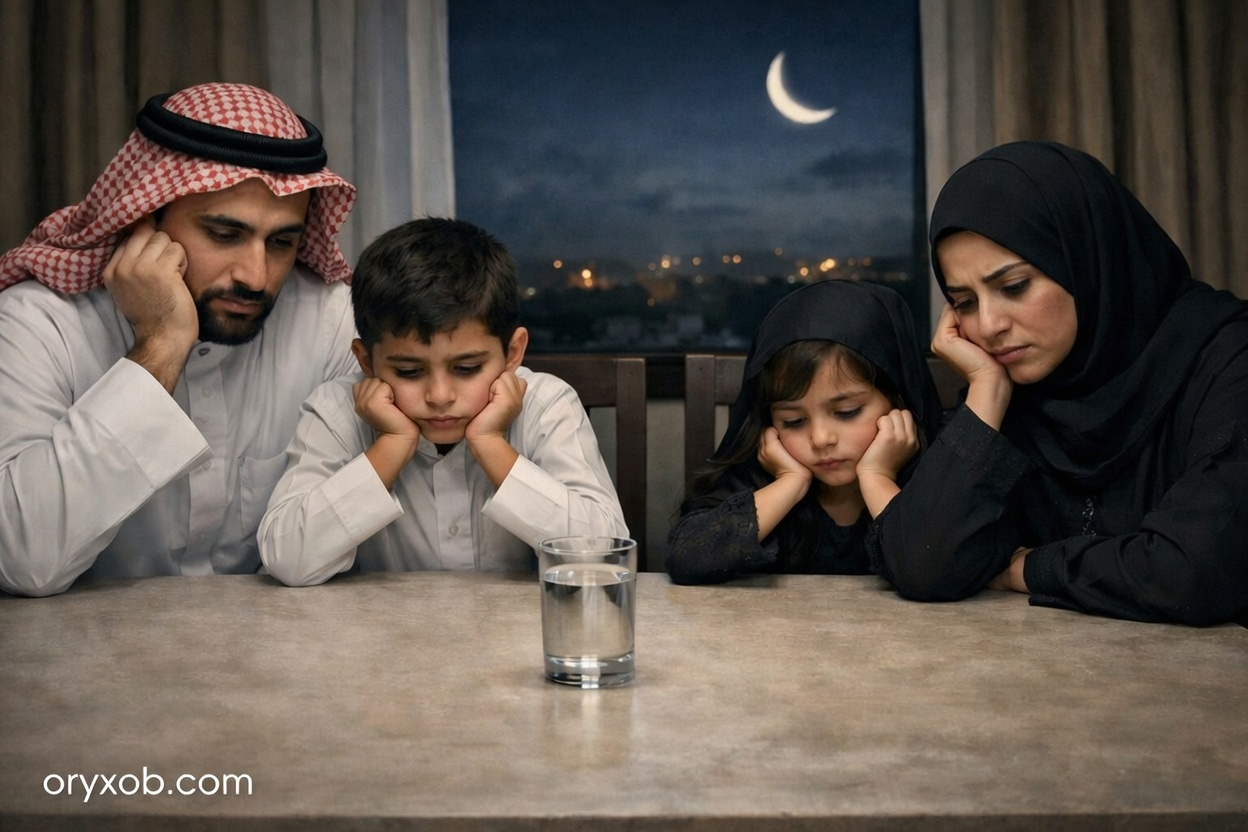
The Saudi Press Agency announced on Thursday that King Salman had ordered the disbursement of SR3 billion to poor families, allocating SR1,000 to each head of household and SR500 to each dependent.
Based on estimated calculations derived from these figures, the total suggests that approximately four million Saudi citizens are living below the poverty line, reliant on financial assistance to secure iftar meals during Ramadan — in one of the wealthiest countries in the world. The estimate is calculated on the assumption that half of the beneficiaries receive SR1,000 each, while the other half receive SR500.
It should be noted that this estimate covers only those officially registered and eligible for the payment. It does not include unregistered individuals or those surviving on support from local charitable organisations. Critics argue that framing such distributions as acts of benevolence reflects a broader political culture in which financial assistance is presented as a royal favour rather than as the fulfilment of citizens’ rights to public funds.
Successive Saudi monarchs have tended to approach citizens through the language of “charity” or “royal grants”, rather than through a rights-based understanding of public wealth. Critics further contend that the authorities have failed to address structural poverty by transferring responsibility for social protection to specialised institutions that would support those in need as rightful stakeholders in national resources, rather than as recipients of discretionary largesse from the monarch and members of his family.
According to the latest official statistics, the number of Saudi citizens stands at approximately 18 million. The presence of widespread poverty in a wealthy country with a relatively small citizen population raises serious and troubling questions.
