
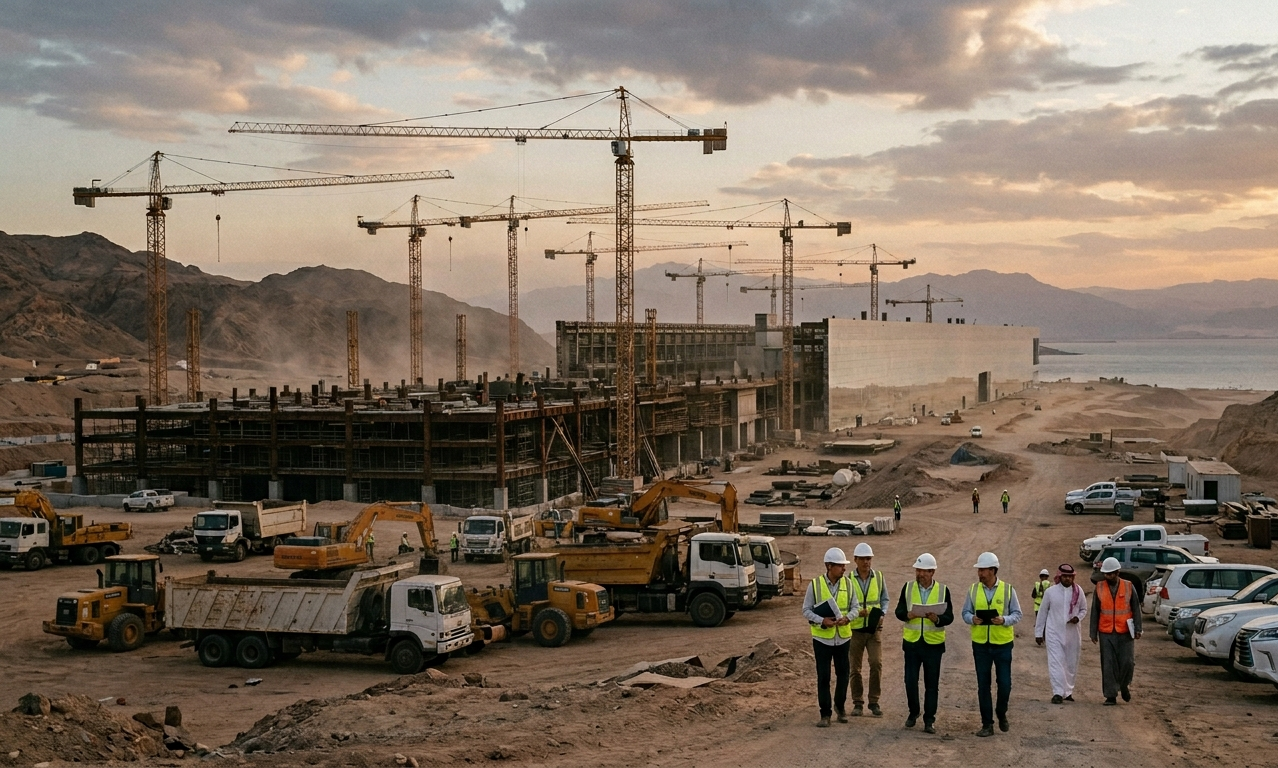
Saudi Arabia’s ambitious economic transformation blueprint, Vision 2030, is facing a severe financial reckoning. Reports have emerged that the government has ordered state entities to freeze, cut back, and in some cases delay payments to global management consultancies, signalling deep fiscal strain behind the kingdom’s glittering facade of megaprojects like ‘The Line’.
According to industry insiders, the Ministry of Finance has effectively paused approvals for new consultancy contracts. The sweeping directive covers government ministries, state-controlled entities, and subsidiaries of the sovereign wealth vehicle, the Public Investment Fund (PIF). For an economy that has spent the last decade functioning as the global consulting industry’s most lucrative cash cow, the sudden halt has sent shockwaves through international markets.
Over-Reliance and Administrative Desperation
For years, Riyadh has leaned heavily on Western firms—including McKinsey & Company, Boston Consulting Group, Oliver Wyman, and the ‘Big Four’—to design, operationalise, and salvage its flagship projects. Critics argue that this total dependence on outsourced expertise is a damning indictment of the kingdom’s lack of domestic administrative capability, exposing an underlying institutional hollowness.
While the Ministry of Finance has hastily issued a public denial, claiming that invoices continue to be processed within contractual timelines, executives within the sector tell a very different story. Multiple sources confirm that payments for existing assignments have been arbitrarily pushed back, a move described by one senior executive as a desperate “symbolic gesture” to artificially balance the books in the short term.
The Reality Behind the Deficit: Oil Wealth vs. Mismanagement
The spending restraint arrives at a deeply embarrassing moment for the Saudi leadership. Despite oil export revenues climbing to an impressive $24.7 billion, the kingdom still managed to post a staggering first-quarter fiscal deficit of $33.5 billion.
Independent economic analysts point to two primary drivers behind this financial haemorrhage:
- Unchecked Megaproject Squandering: The astronomical costs of unproven concepts like Neom and ‘The Line’ are outpacing the state’s actual revenue generation, proving that grand engineering fantasies cannot override basic macroeconomic reality.
- Surging Defence Squeeze: Defence expenditure has surged by 26% year-on-year. Caught in regional instability and vulnerable to infrastructure attacks, Riyadh is pouring billions into military survival, leaving its economic diversification plans severely starved of capital.
Vision 2030: A Disillusioned Outlook
For the multinational consultancies that once viewed Saudi Arabia as a gold rush, the message is clear: the money is running out, or at least being heavily rationed. While Riyadh frames the tightening as an effort to ensure “measurable returns,” independent observers see it as a tacit admission of overreach and impending insolvency regarding its most publicised promises.
As geopolitical tensions rise and domestic finances tighten, the cracks in the Saudi economic strategy are becoming impossible to hide. The freezing of consultant accounts may well be the first domino to fall, exposing the vulnerability of a regime that attempted to buy global prestige through debt and outsourced ambition, only to find itself constrained by the limits of its own treasury.