
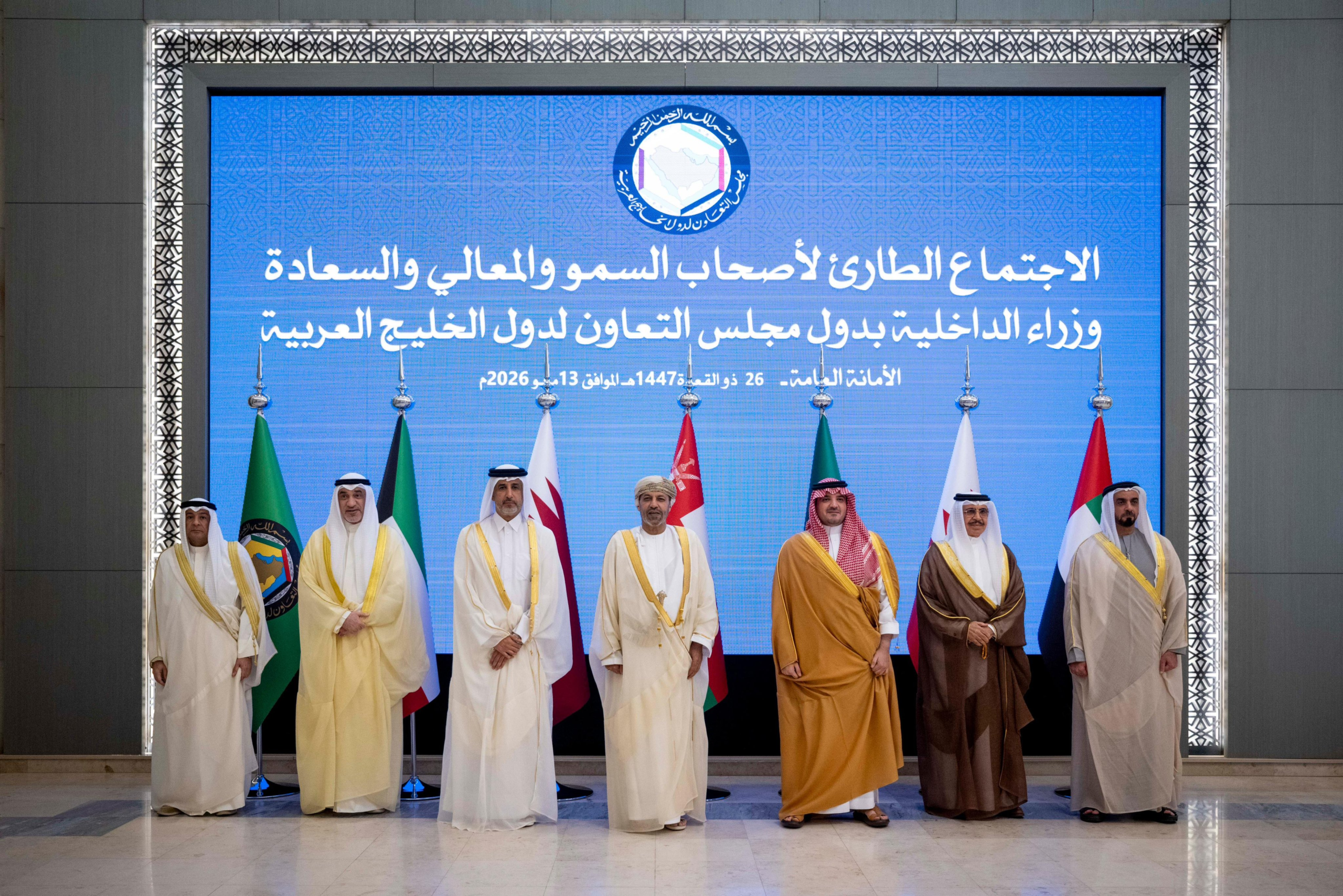
The interior ministers of the Gulf states held what they described today as an “emergency” meeting in Riyadh to discuss the security measures currently being implemented by five of the six Gulf countries against the Gulf’s indigenous local populations, the majority of whom are Shiite.
The measures implemented so far in the Qatif and Ahsa regions include:
▪️ Arrests.
▪️ Executions.
▪️ Travel bans.
▪️ Restrictions on employment opportunities.
▪️ Provocation of Shiite communities through extremist Wahhabi organisations and associations, such as the Al al-Sahb Organisation and the Da‘wah Society.
▪️ Restrictions on non-political religious freedoms.
▪️ The branding of Shiites as apostates, incitement against them, and calls for hatred towards them through the media in general, and through accounts linked to the Royal Court in particular.
The measures implemented in Kuwait 🇰🇼 so far include:
▪️ Arrests.
▪️ Travel bans.
▪️ Revocation of citizenship.
▪️ Pressure aimed at forced displacement.
▪️ Restrictions on non-political religious freedoms.
The measures implemented in Bahrain 🇧🇭 so far include:
▪️ Arrests.
▪️ Threats of execution.
▪️ Revocation of citizenship.
▪️ Direct forced displacement.
▪️ Restrictions on non-political religious freedoms.
The measures implemented in Qatar 🇶🇦 so far include:
▪️ Arrests.
▪️ Travel bans.
▪️ Restrictions on non-political religious freedoms.
The measures implemented in the United Arab Emirates 🇦🇪 so far include:
▪️ Arrests.
▪️ Travel bans.
▪️ Confiscation of property.
▪️ Restrictions on non-political religious freedoms.
Meanwhile, the government of the Sultanate of Oman 🇴🇲 has not, thus far, taken any hostile measures against its citizens.