
Church of England bishops have issued a stark warning to Britain’s new Foreign Secretary, Ed Miliband, demanding urgent action to stop Saudi Arabia from continuing its brutal campaign of executions and religious persecution against more than fifty Ethiopian Christians locked up in its jails.
The bishops of Southwark, Chelmsford and Winchester have written directly to Crown Prince Mohammed bin Salman, the kingdom’s de facto ruler, calling for an immediate halt to the planned killings. They have also pressed the Foreign Office to intervene, arguing that the UK’s close strategic relationship with Riyadh cannot excuse silence in the face of such abuses.
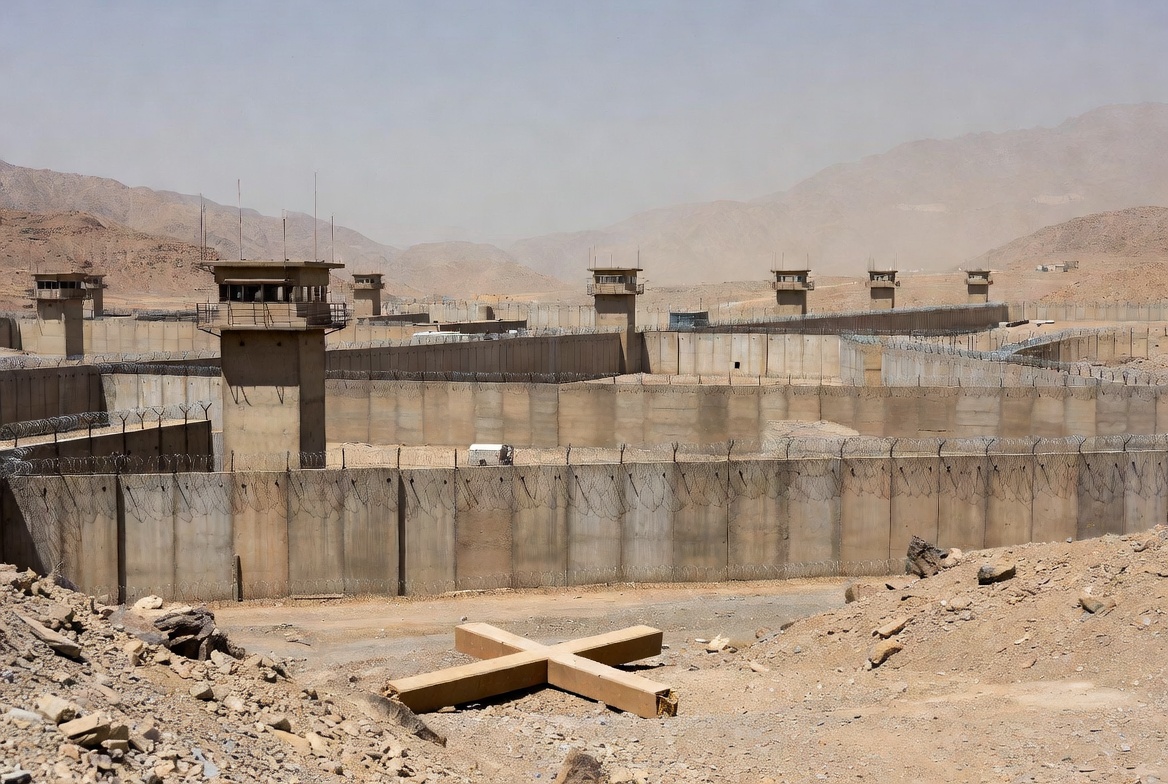
According to the bishops, these men – many of whom fled conflict in Ethiopia – have endured torture and coercion. Several were forced to sign documents they could neither read nor understand. Some were convicted of cannabis smuggling after being manipulated by criminal traffickers who used them as unwitting mules. Once inside the Saudi justice system, their Christian faith became a further liability. Prison officers reportedly tore crosses from their necks during transfers to court and assaulted them for the offence of wearing a Christian symbol. Open expression of their religion has been discouraged or banned inside Khamis Mushait Prison near Abha, and prisoners have been expected to hide any reference to their faith during hearings.
Five of the Ethiopians have already been executed, despite earlier Saudi assurances to Ethiopian consular officials that the death sentences would be suspended and reviewed. Fellow inmates say some of the men were told they were being taken for routine court appearances, only to be put to death hours later. Their families received no advance warning and have been given no information about the fate of their remains. In some cases, other prisoners were left to break the news.
The bishops have demanded an immediate moratorium on all remaining executions, the commutation of death sentences for non-lethal drug offences, and a full, independent review of every case – complete with proper legal representation and qualified interpreters. They point out that the right to hold and express religious belief, even in prison, is protected under international law. Saudi Arabia’s treatment of these men, they say, is “deeply troubling.”
A Foreign Office spokesman offered the usual formula: Britain “strongly opposes the death penalty in all countries and in all circumstances” and raises the issue through diplomatic channels. Yet the kingdom continues to carry out executions with little apparent consequence for its valuable relationship with London. Mr Miliband himself has promised to champion “Britain’s values of democracy, freedom and the rule of law on the world stage.” The bishops’ intervention now tests whether those words amount to more than rhetoric when a key partner stands accused of torturing and killing Christians for their faith and for offences that, in many jurisdictions, would never attract the death penalty.
Saudi Arabia’s record on religious freedom remains one of the most repressive in the world. Public Christian worship is forbidden, conversion from Islam is punishable, and the open display of non-Islamic symbols can invite severe punishment. The treatment of these Ethiopian prisoners fits a wider pattern in which the kingdom’s justice system – opaque, harsh, and heavily influenced by a rigid interpretation of Islamic law – continues to claim lives with minimal transparency or due process.
If Britain truly values the rule of law and religious liberty, it cannot treat these cases as an inconvenient detail in an otherwise profitable relationship. The bishops have put the matter squarely on the new Foreign Secretary’s desk. The question now is whether Mr Miliband will act, or whether Saudi Arabia will simply continue to execute Christians while its Western partners look the other way.